Our Sheep
Merino
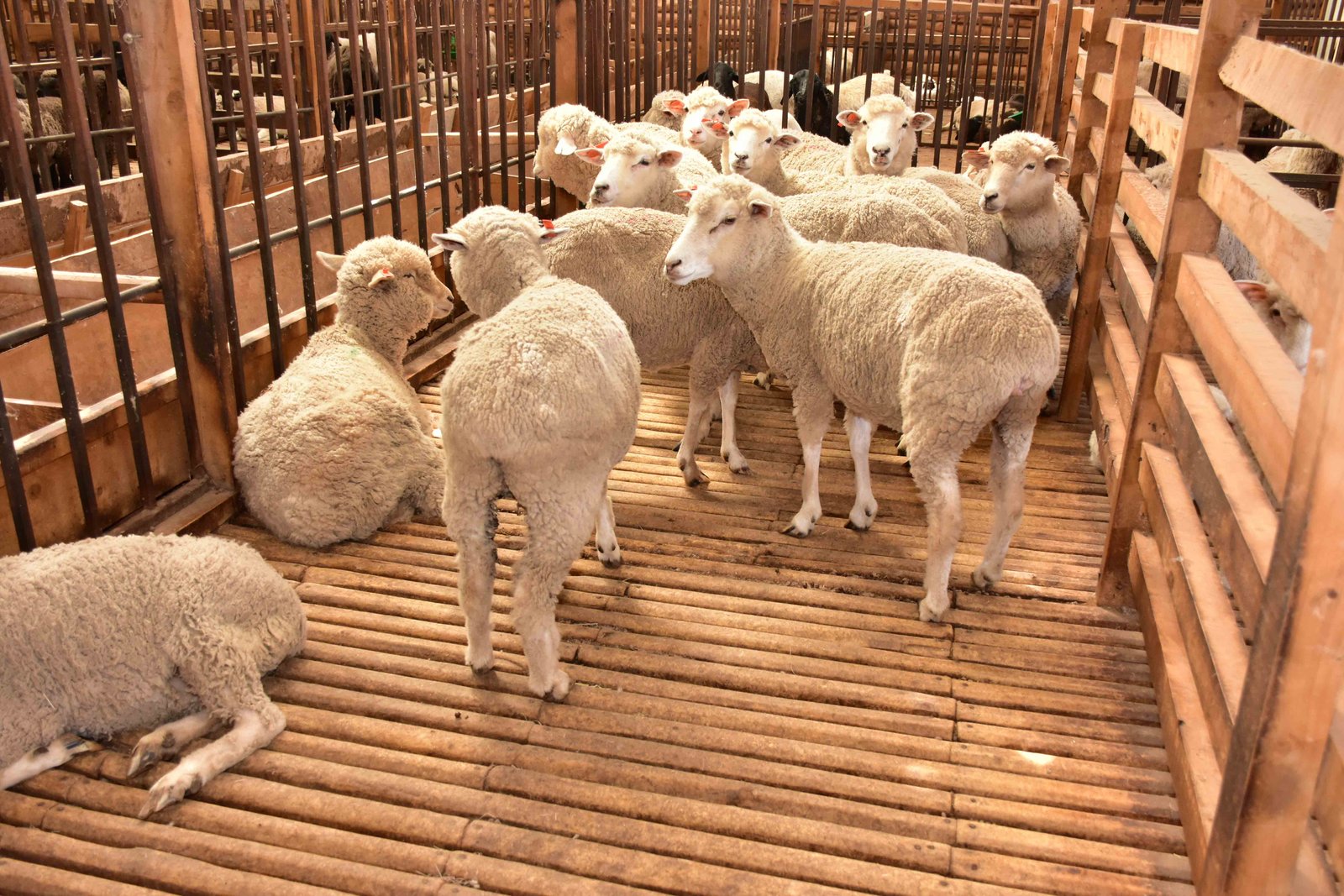
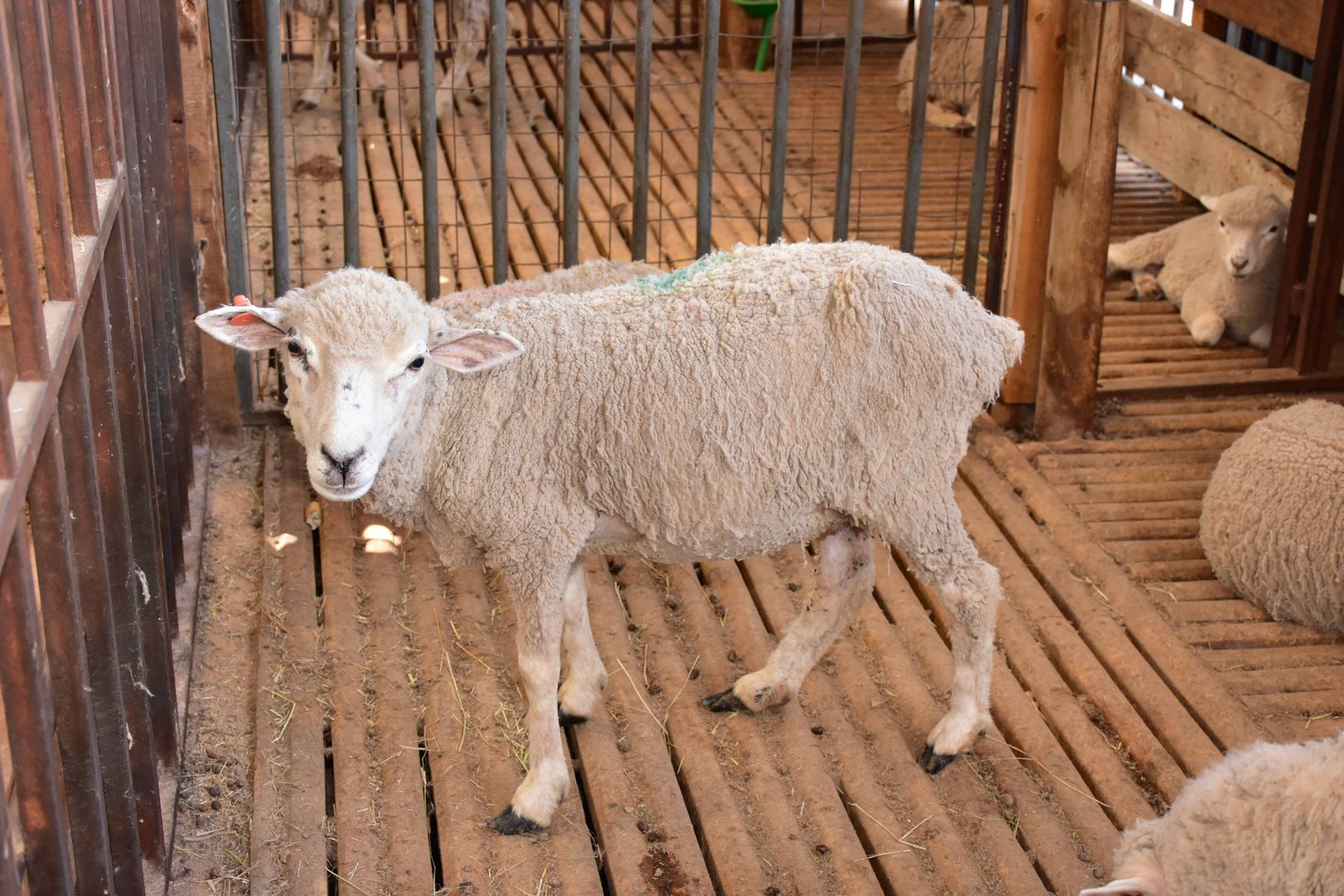
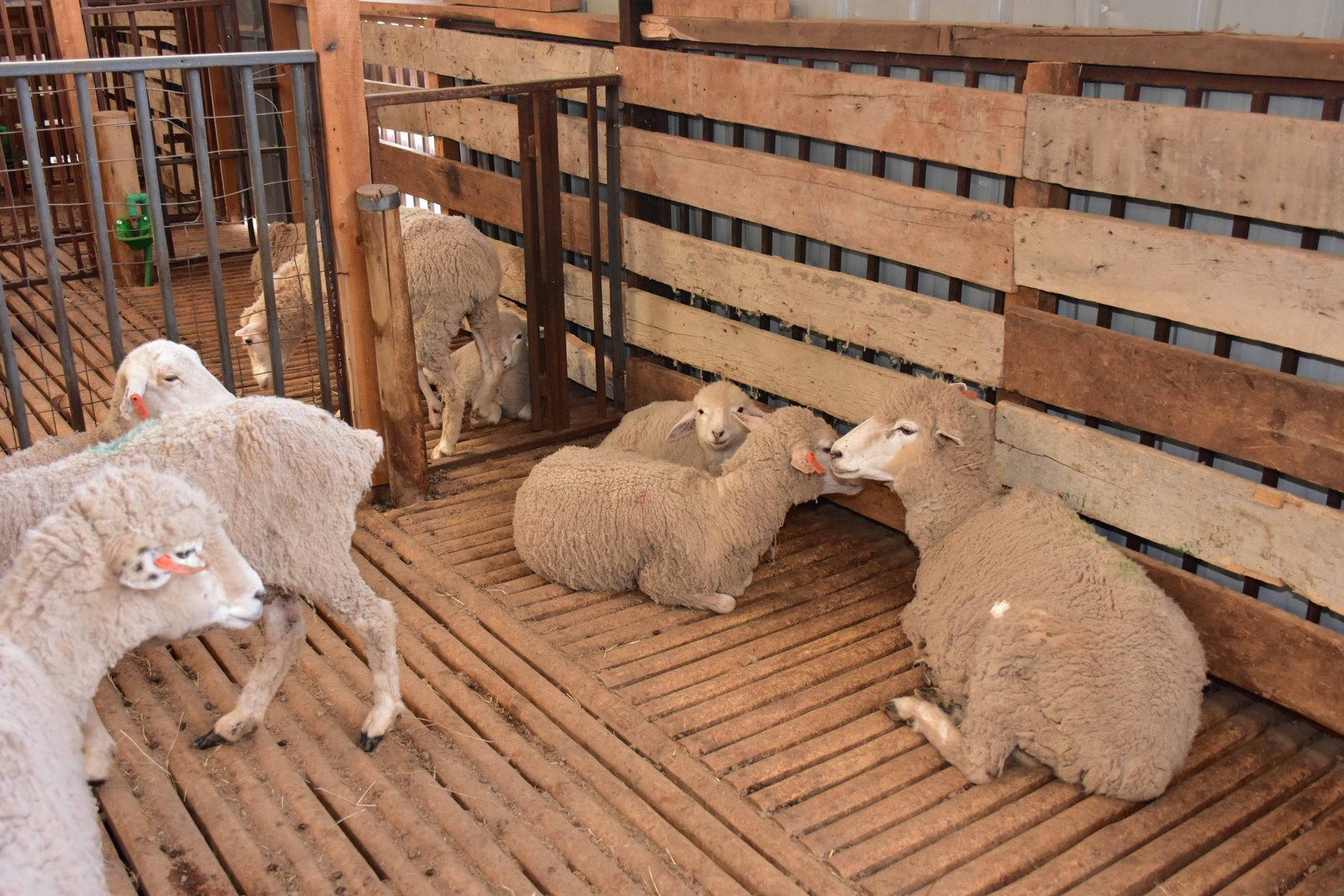
Merino sheep are the pride of our wool production, celebrated for their fine, high-quality fleece used in premium textiles. These medium-sized sheep with white wool are efficient grazers, producing 4–6 kg of wool per shear. Our 28 Merino females are central to the farm’s wool output, while also contributing lambs to sustain the flock, supporting a sustainable textile market supply.
Key Traits
- General Health: Merinos are generally healthy but susceptible to flystrike and foot rot in wet conditions. Regular shearing, crutching, and foot baths are essential, along with vaccinations for clostridial diseases. They thrive in temperate climates.
- Feeding Requirements: Require 2–3 kg of dry matter daily, primarily from quality pasture supplemented with hay and low-protein grains. Mineral supplements (e.g., selenium) support wool growth and lambing.
- Wool Production: Produces 4–6 kg of fine wool (18–24 microns) per shear, ideal for high-end textiles, with females sheared annually.
- Temperament: Calm and gregarious, Merinos are easy to herd but require gentle handling to avoid stress during shearing.
Hampshire
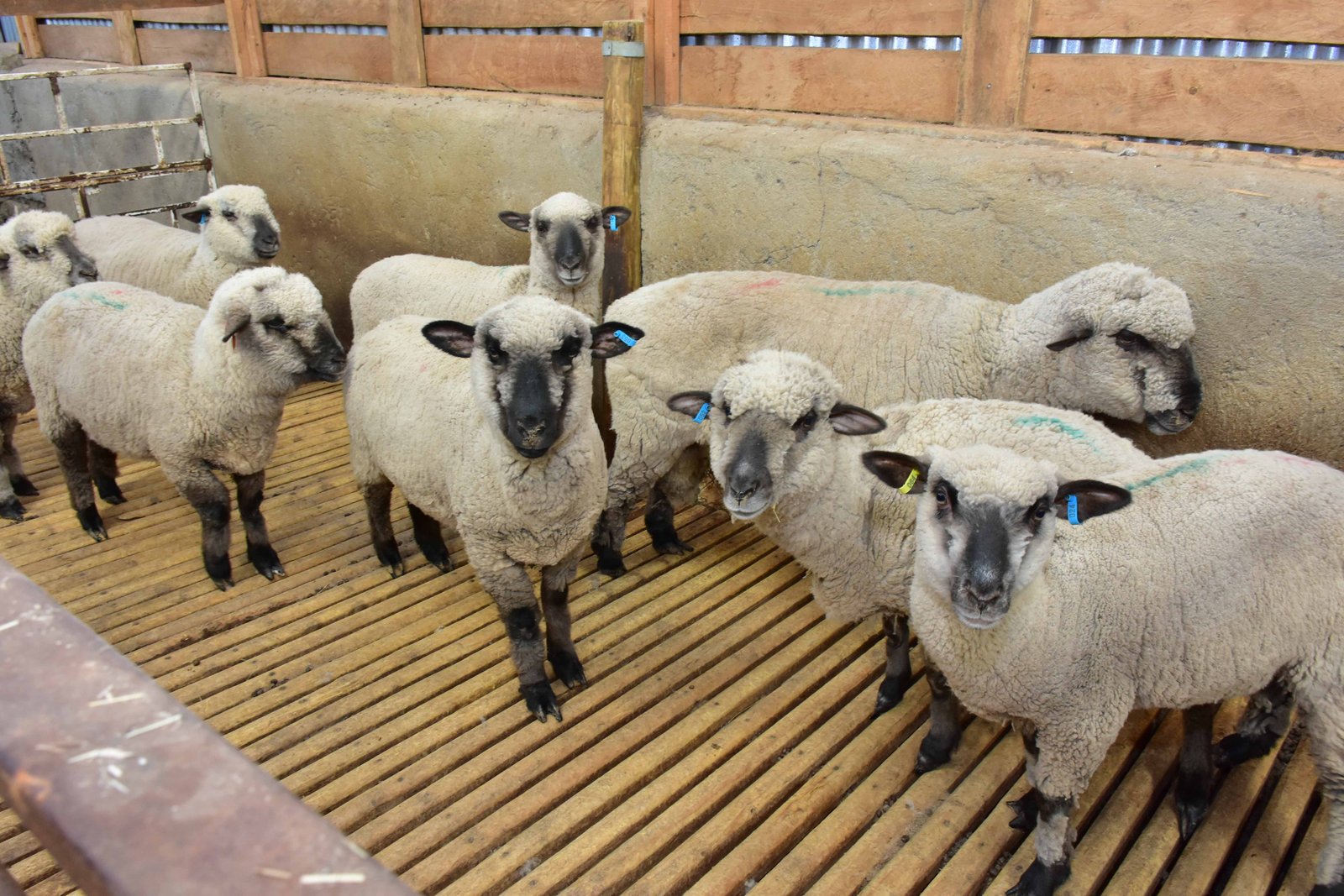
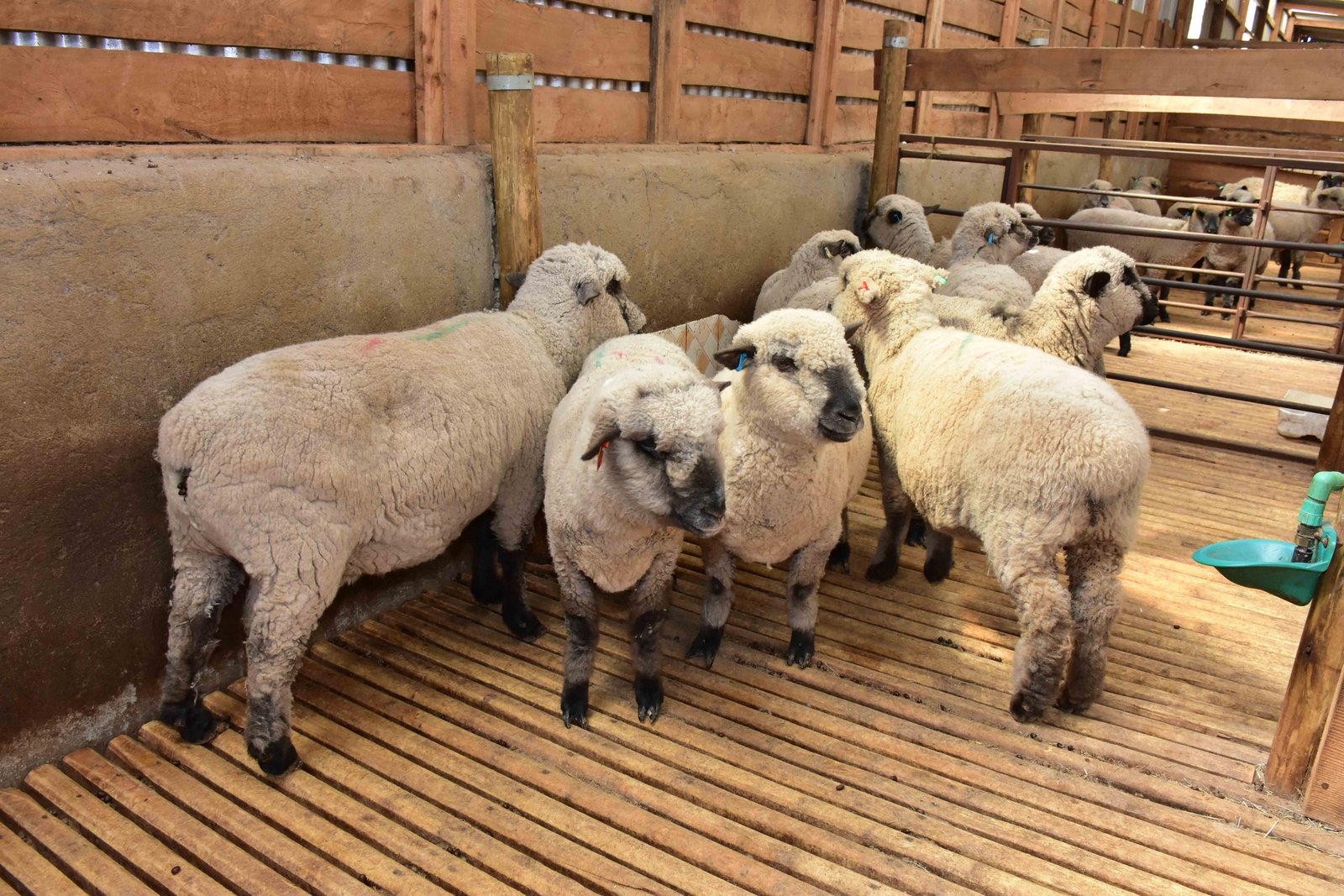
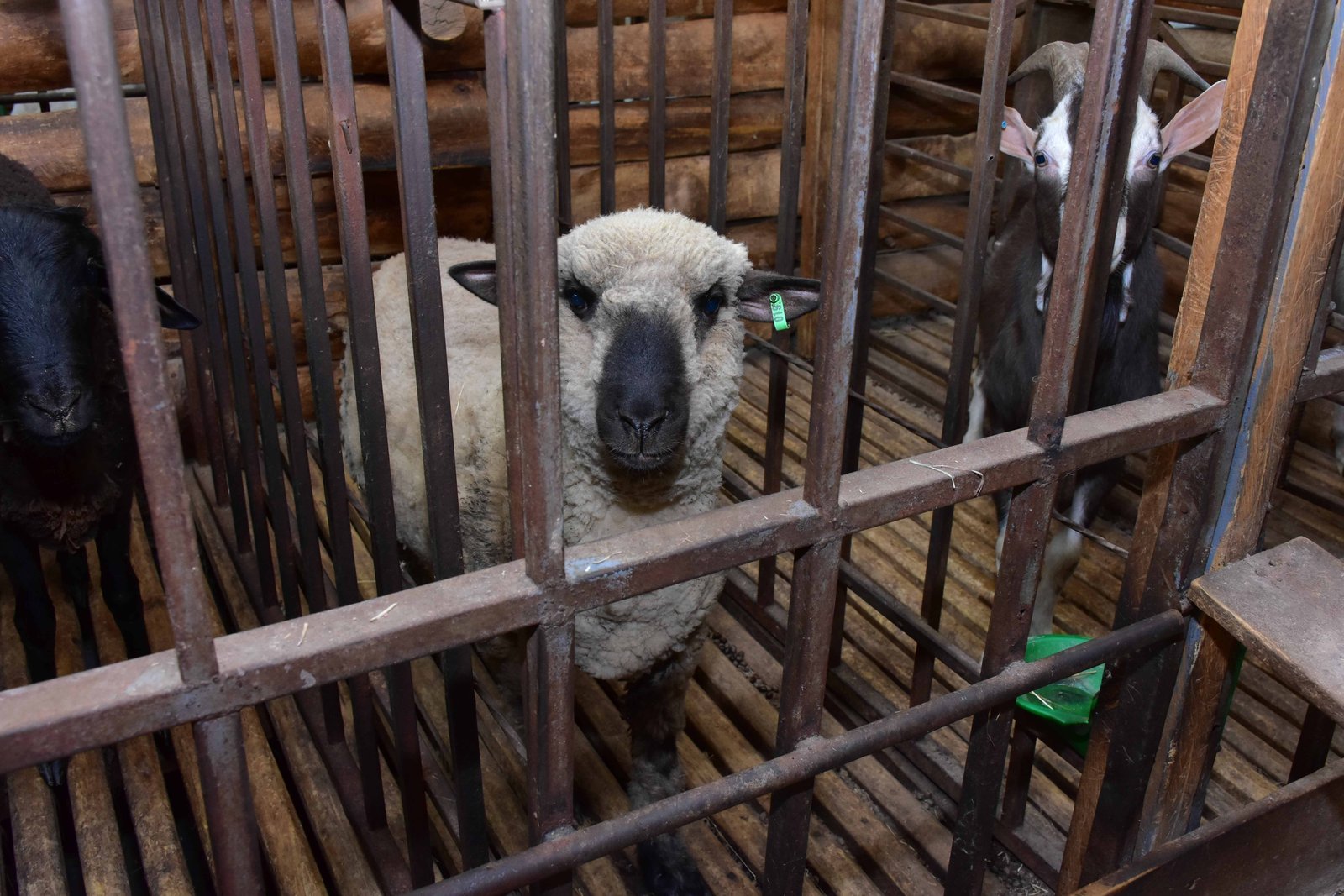
Hampshire sheep are robust, meat-focused animals known for their fast growth and muscular carcasses. Their distinctive black faces and thick wool make them stand out. Our 18 Hampshire females produce high-quality lambs for meat markets, with their moderate wool adding a secondary income stream, supporting the farm’s diversified output.
Key Traits
- General Health: Hampshires are hardy with good resistance to parasites but may face respiratory issues in humid conditions. Routine deworming, vaccinations, and shelter during wet seasons are needed.
- Feeding Requirements: Consume 2.5–3.5 kg of dry matter daily, thriving on pasture with supplemental grains and silage to support rapid lamb growth. High-energy feed boosts weaning weights.
- Meat Production: Produces fast-growing lambs reaching 20–30 kg in 4–6 months, yielding high-quality carcasses for lamb markets, with moderate wool (25–30 microns).
- Temperament: Docile but strong-willed, Hampshires require firm handling during lambing and shearing but integrate well in mixed flocks.
Dorper
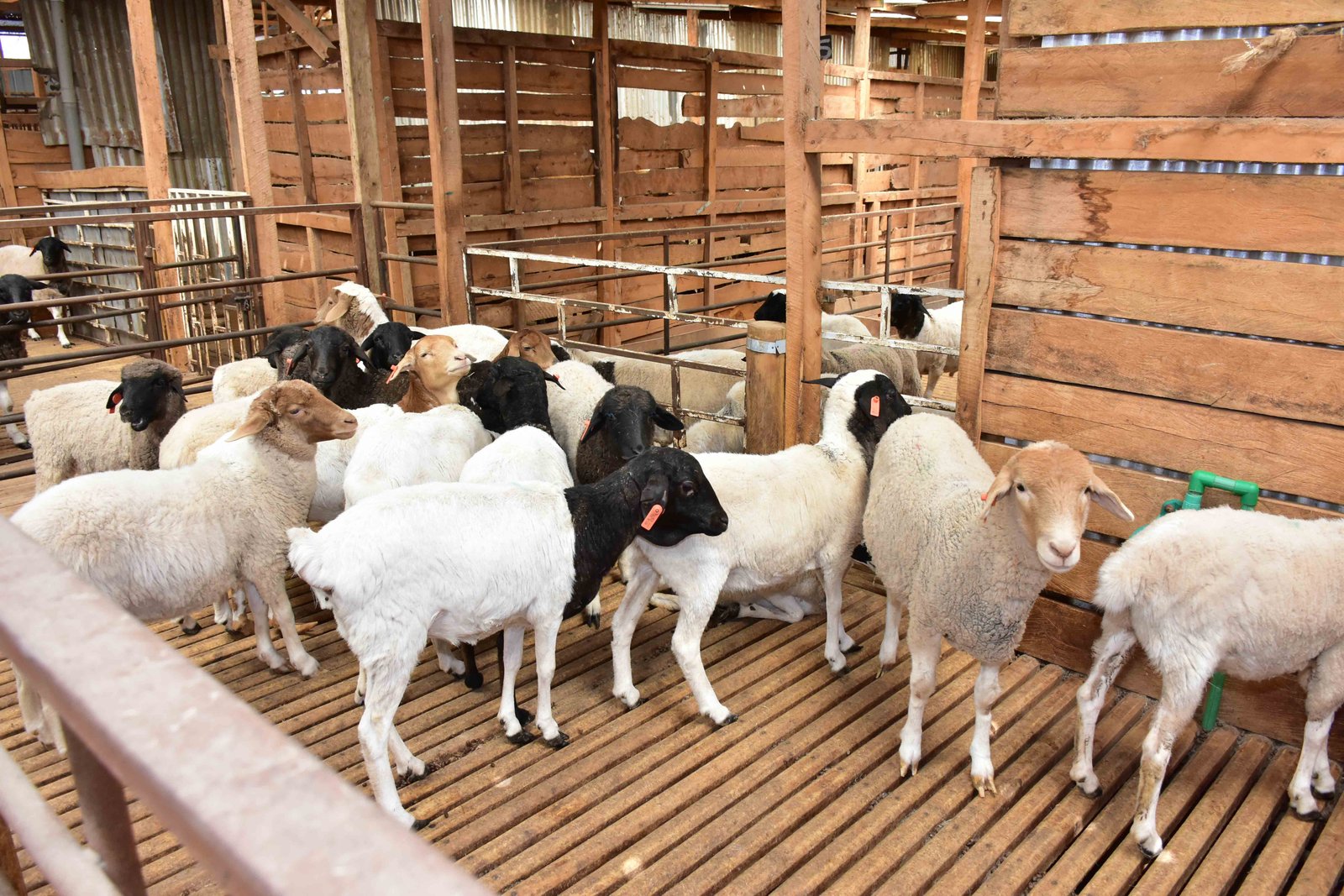
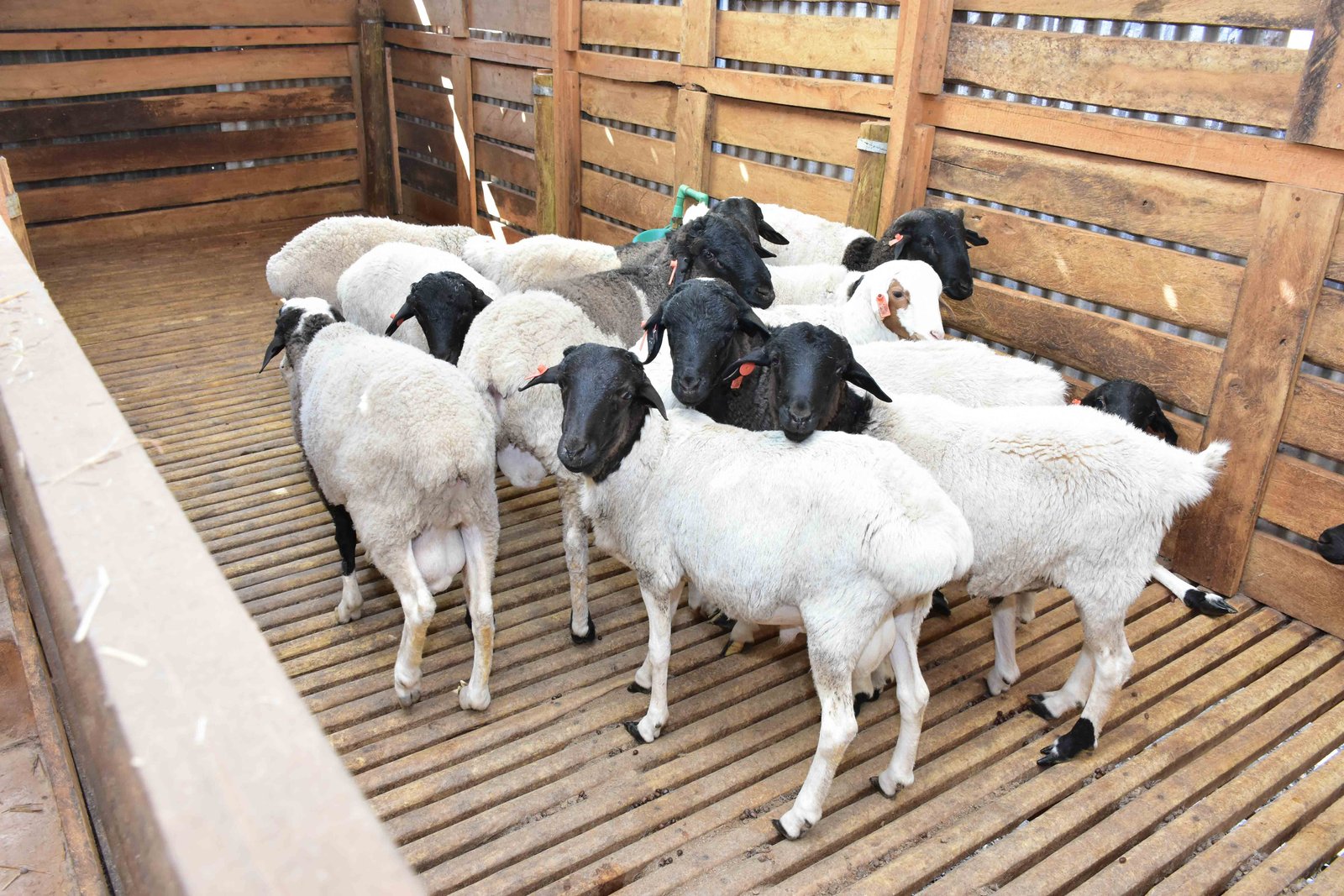
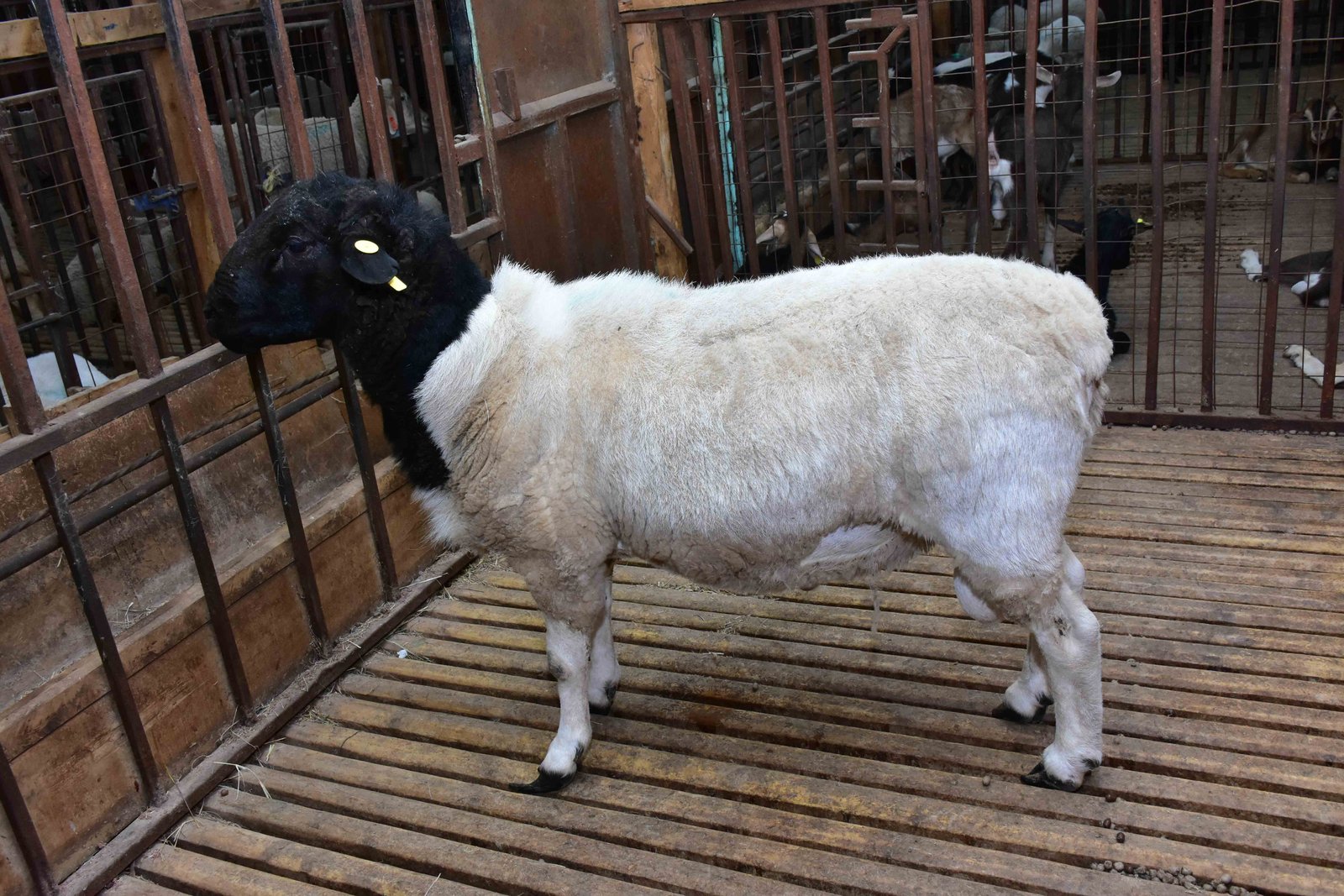
Dorpers dominate our flock, prized for their exceptional meat production and low-maintenance care. These hair sheep, with black or white heads, shed their coats naturally, eliminating shearing costs. Our 109 Dorper females are the backbone of our lamb production, delivering fast-growing lambs for meat markets and supporting a robust breeding program.
Key Traits
- General Health: Dorpers are highly resilient, with strong resistance to parasites and heat stress. They require minimal veterinary care but benefit from regular tick control and vaccinations for lamb survival.
- Feeding Requirements: Need 2–3 kg of dry matter daily, excelling on pasture and roughage. Supplemental grains during late pregnancy and lactation enhance lamb growth and ewe condition.
- Meat Production: Yields lambs reaching 20–30 kg in 4–5 months, with lean, high-quality carcasses, ideal for premium meat markets. No wool due to hair coat.
- Adaptability: Thrives in arid and hot climates, with low water and feed needs, making them cost-effective for extensive grazing systems.
Black Persian
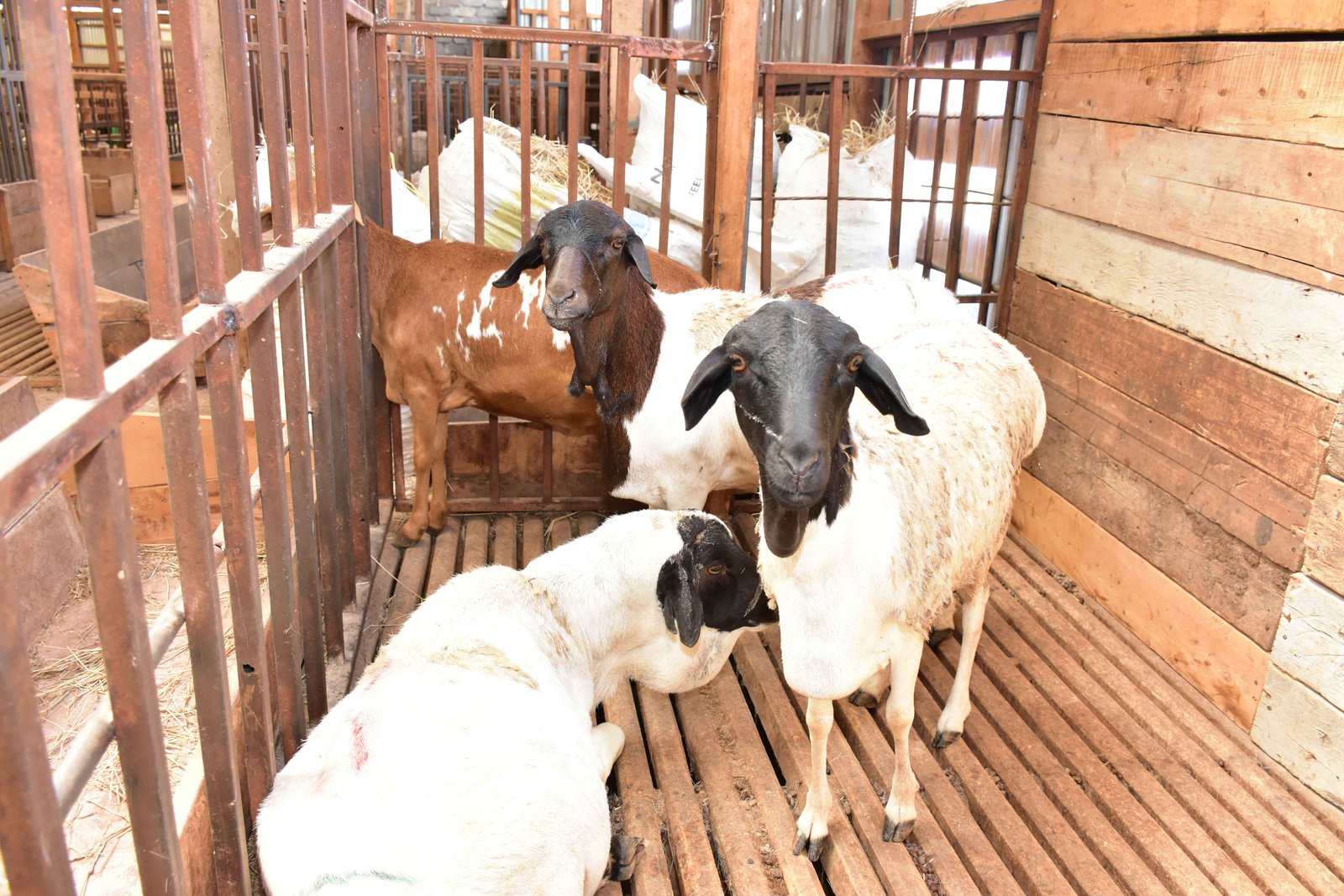
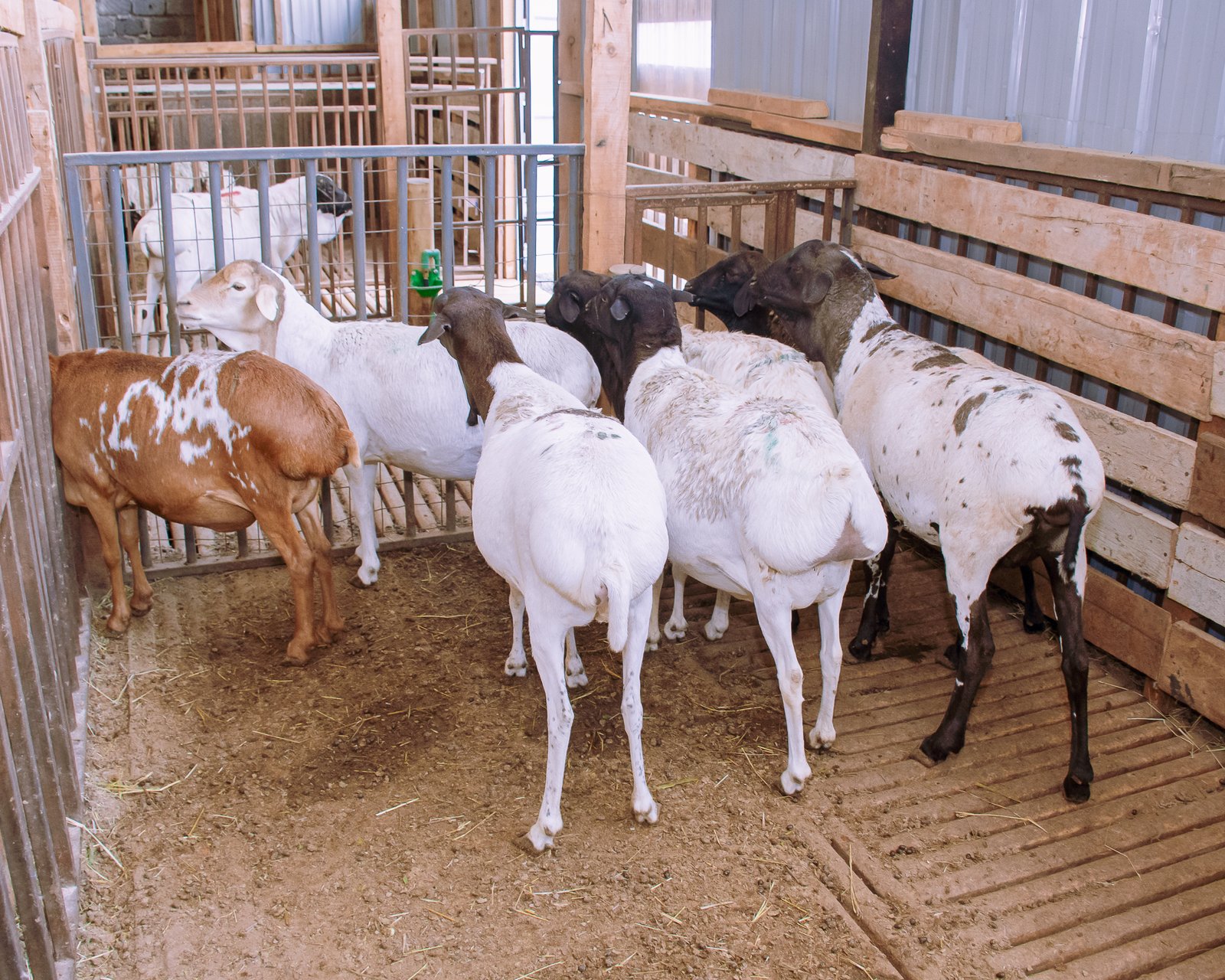
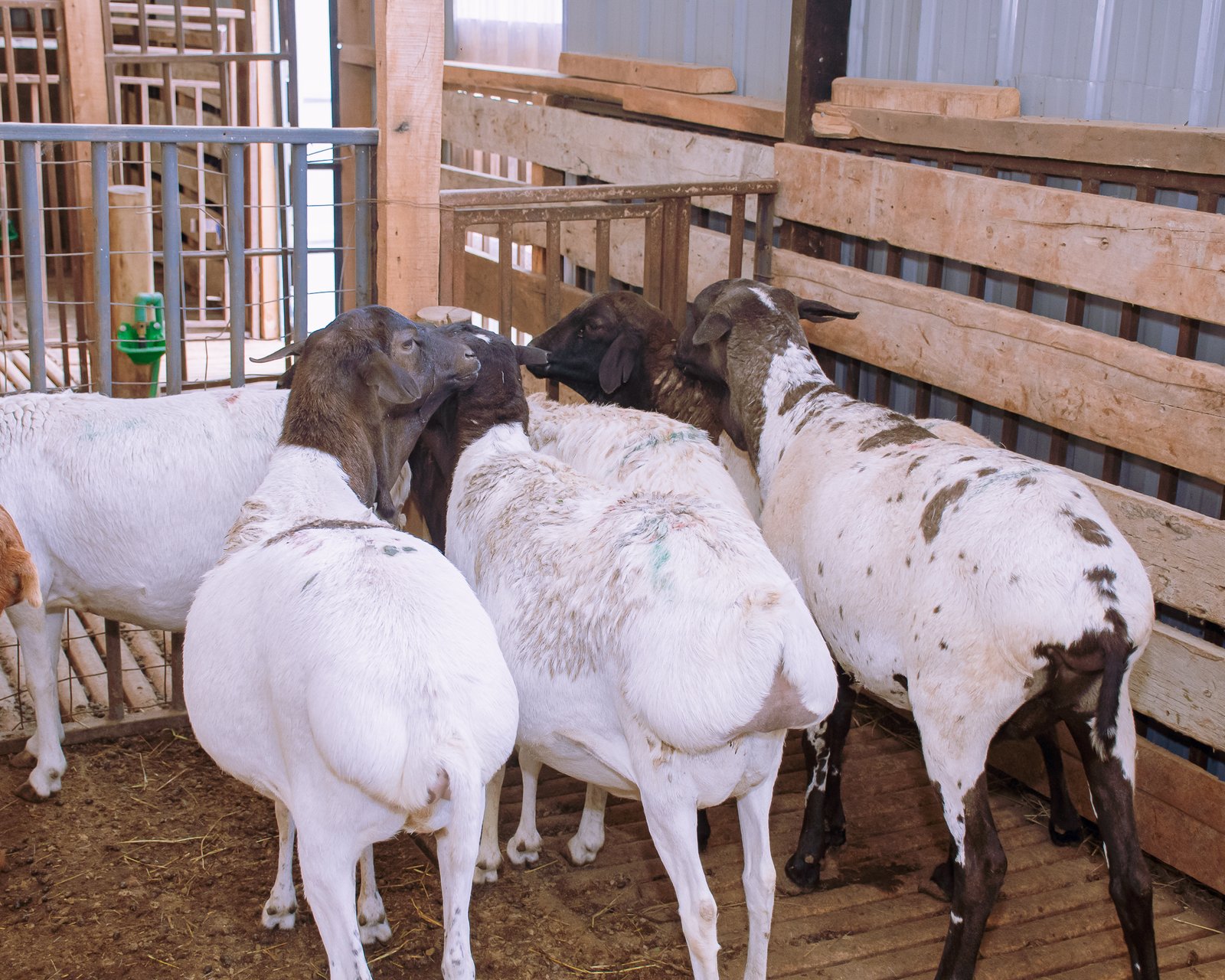
Black Persian sheep, known for their distinctive black heads and fat tails, thrive in arid conditions and are prized for their meat and fat production. These hardy sheep adapt well to challenging environments, making them ideal for sustainable farming. Our 26 Black Persian females contribute to the farm’s productivity, producing lambs that support local markets and low-input agricultural practices.
Key Traits
- General Health: Maasai sheep are extremely hardy, with natural resistance to drought-related stress and parasites. Minimal veterinary needs, but foot care and deworming are recommended in wet seasons.
- Feeding Requirements: Consume 1.5–2.5 kg of dry matter daily, thriving on sparse pasture and browse (e.g., shrubs, acacia). They require little supplemental feed, ideal for low-resource areas.
- Dual-Purpose Utility: Produces small but flavorful lambs (15–25 kg) for meat and fat, with coarse wool or fat stores for local use, supporting niche markets.
- Hardiness: Exceptionally adapted to arid, hot environments, with high survival rates in drought conditions, making them a low-maintenance breed.
Maasai
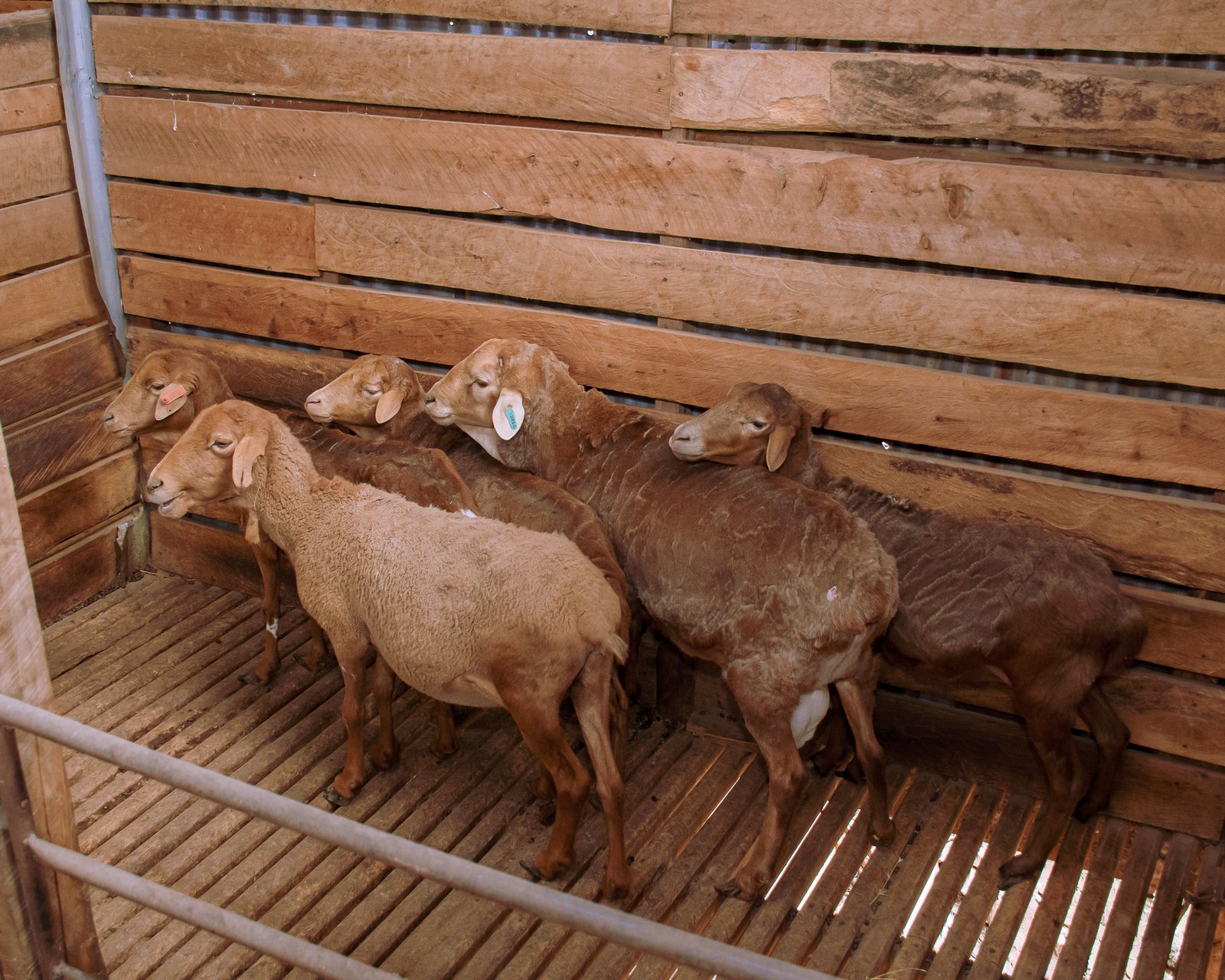
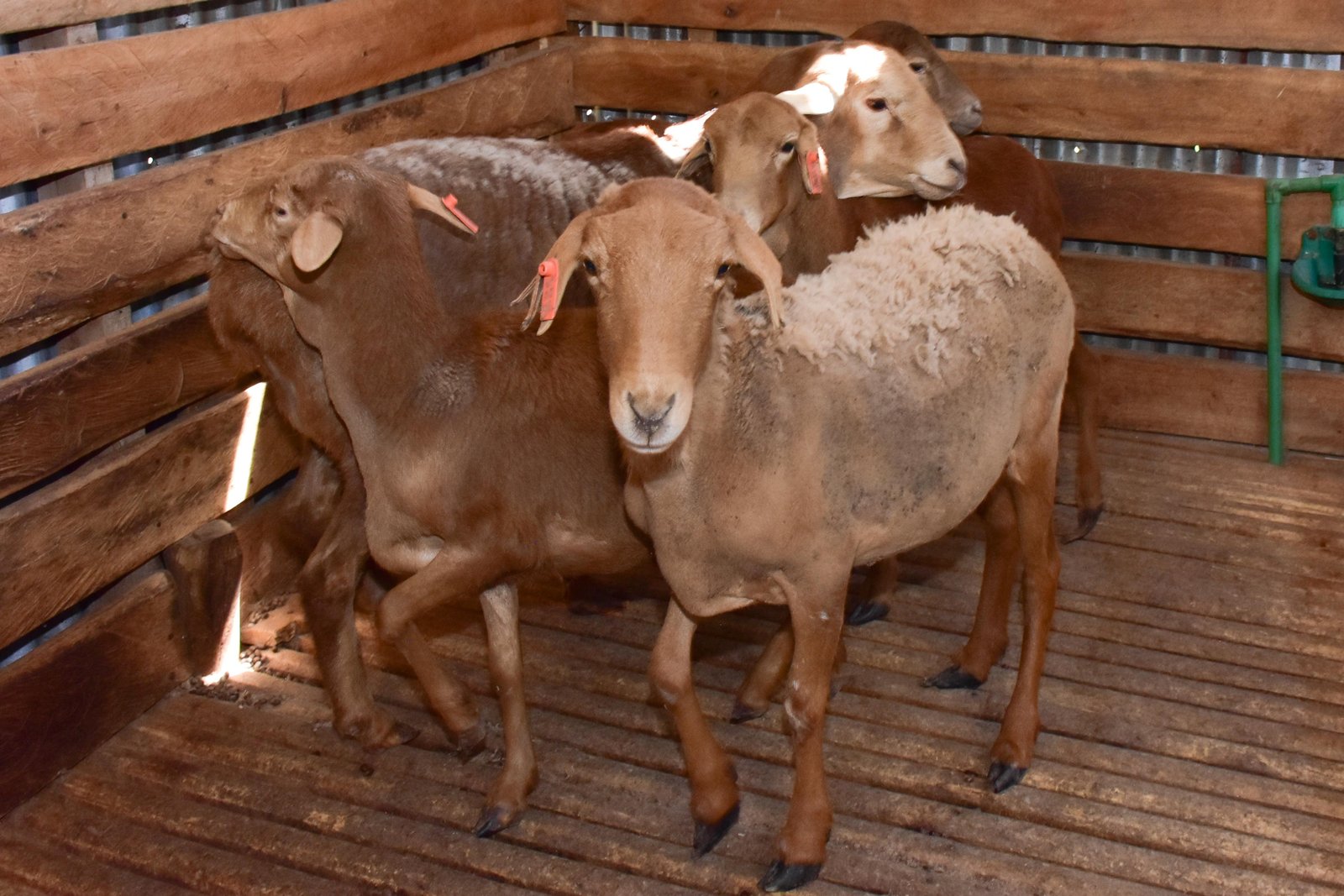
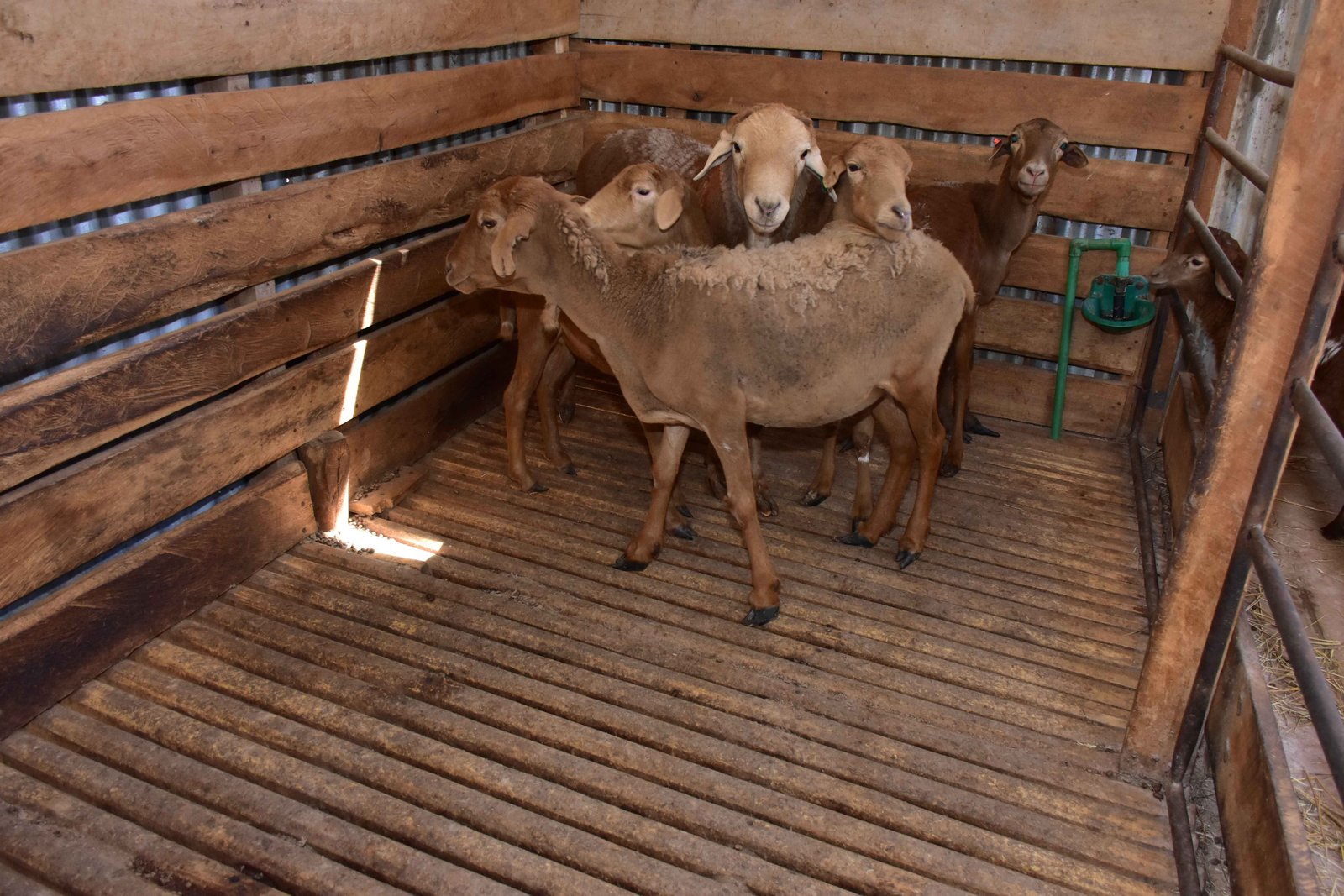
Maasai sheep, likely indigenous to East Africa, are valued for their hardiness and adaptability to harsh environments. These small, fat-tailed sheep provide meat and some coarse wool or fat for local markets. Our 26 Maasai females contribute to the farm’s resilience, producing lambs suited to challenging conditions and supporting sustainable, low-input farming.
Key Traits
- General Health: Maasai sheep are extremely hardy, with natural resistance to drought-related stress and parasites. Minimal veterinary needs, but foot care and deworming are recommended in wet seasons.
- Feeding Requirements: Consume 1.5–2.5 kg of dry matter daily, thriving on sparse pasture and browse (e.g., shrubs, acacia). They require little supplemental feed, ideal for low-resource areas.
- Dual-Purpose Utility: Produces small but flavorful lambs (15–25 kg) for meat and fat, with coarse wool or fat stores for local use, supporting niche markets.
- Hardiness: Exceptionally adapted to arid, hot environments, with high survival rates in drought conditions, making them a low-maintenance breed.